Efforts to clean up the River Thames are beginning to show tangible results, according to environmental organizations working along its banks. Once considered biologically dead, the river has undergone a remarkable transformation over the past several decades, and recent initiatives are accelerating that progress.
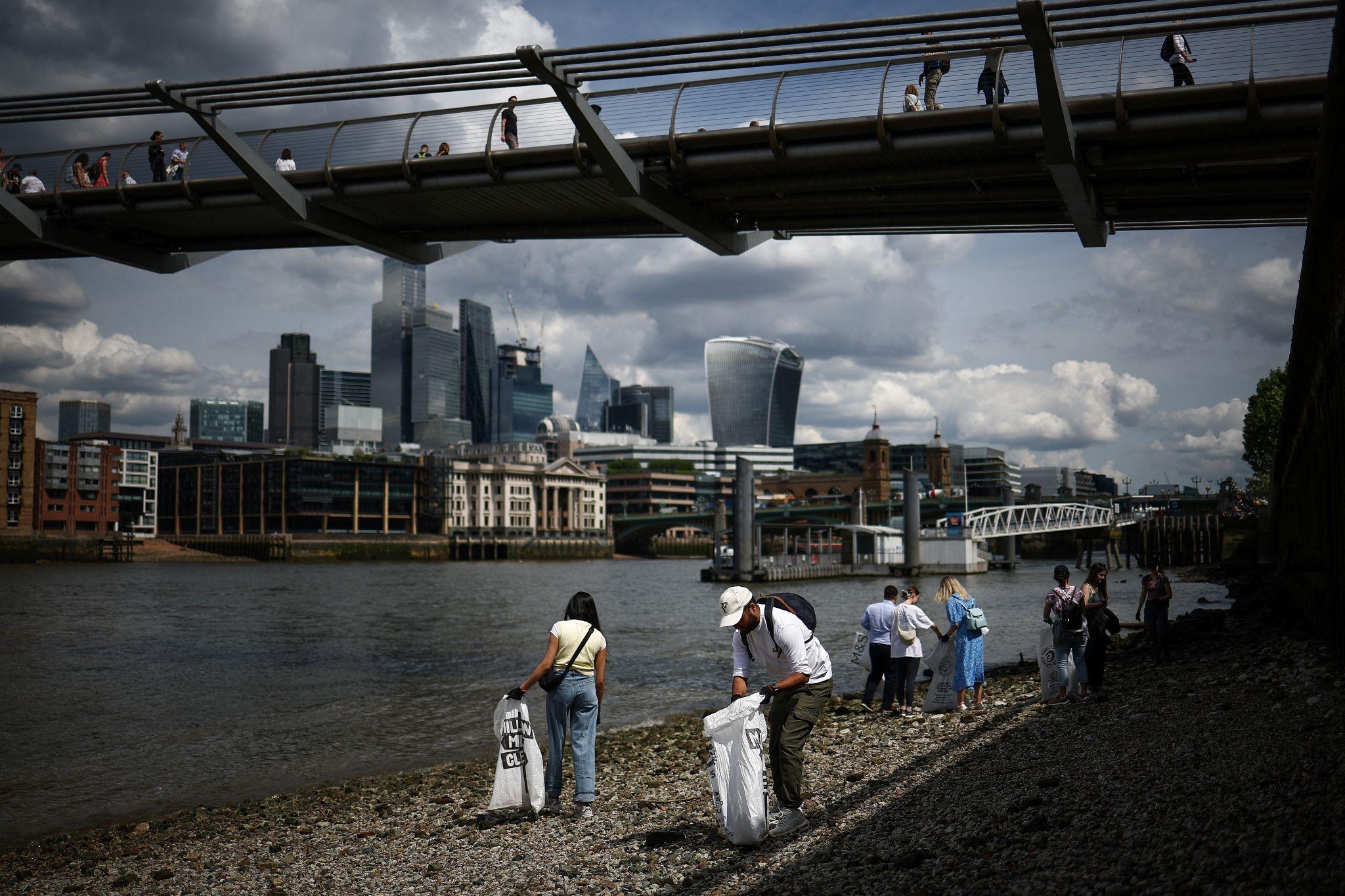
Volunteer groups, local councils, and national agencies have collaborated on a series of projects aimed at reducing pollution, improving water quality, and restoring habitats for wildlife. Regular clean-up events have removed tonnes of debris, while stricter regulations have targeted industrial and sewage-related pollution.
Wildlife sightings have increased, with reports of fish populations rebounding and birds returning to previously abandoned areas. Conservationists view this as a strong indicator that the ecosystem is gradually recovering.
Despite these gains, challenges persist. Heavy rainfall can overwhelm sewage systems, leading to occasional discharges into the river. Plastic pollution also remains a significant issue, with microplastics posing a long-term threat to aquatic life.
Campaigners are calling for further investment in infrastructure and stronger environmental protections to ensure that progress is not reversed. They emphasize that maintaining the river’s health requires sustained effort and public engagement.
For many Londoners, the Thames is more than just a waterway—it is a symbol of the city’s resilience and capacity for renewal. The ongoing clean-up efforts serve as a reminder that even heavily impacted environments can recover with the right combination of policy, community action, and determination.